Hounslow Council rules for waste disposal after cleaning: a practical guide for homes and businesses
If you have just finished a deep clean, you will know the awkward bit that comes after the fresh scent and the spotless finish: what do you do with the wastewater, dirty cloths, vacuum contents, packaging, and any leftover cleaning products? That is where understanding Hounslow Council rules for waste disposal after cleaning really matters. It is not just about tidiness. It is about avoiding blocked drains, fly-tipping problems, unsafe disposal, and a messy surprise later on.
This guide explains the everyday side of the issue in plain English. You will learn what kinds of cleaning waste need special care, how to separate wastewater from solid waste, what best practice looks like in a Hounslow home or business, and where people often go wrong. If you are cleaning carpets, upholstery, curtains, rugs, or mattresses, the details can vary a bit - and yes, that tiny bit can make a big difference.
Expert summary: The safest approach is usually simple: keep dirty water out of surface drains unless you are sure it is allowed, bag solid waste properly, keep chemicals in their original containers, and follow your usual household or business waste route unless the waste is hazardous. When in doubt, treat the waste more carefully, not less.
Table of Contents
- Why Hounslow Council rules for waste disposal after cleaning matters
- How Hounslow Council rules for waste disposal after cleaning works
- Key benefits and practical advantages
- Who this is for and when it makes sense
- Step-by-step guidance
- Expert tips for better results
- Common mistakes to avoid
- Tools, resources and recommendations
- Law, compliance, standards, or best practice
- Options, methods, or comparison table
- Case study or real-world example
- Practical checklist
- Conclusion
- Frequently asked questions
Why Hounslow Council rules for waste disposal after cleaning matters
Cleaning waste looks harmless at first glance. A bucket of grey water. A pile of used cloths. A few strips of carpet backing or a filter full of dust. But council rules exist for a reason. The wrong disposal method can cause drain blockages, odours, pollution, and complaints from neighbours or building managers. It can also create avoidable cleanup costs for you later, which nobody wants on a rainy Tuesday afternoon.
In Hounslow, as in most London boroughs, the key issue is not only what the waste is, but where it goes next. Liquid waste, contaminated fabrics, chemical residues, and everyday rubbish all need different handling. A carpet-cleaning job in a flat is not the same as clearing waste from a commercial office, and the expectations are not always identical either. That is why a one-size-fits-all approach tends to fall apart fast.
There is also a trust angle here. If you are hiring a cleaning service, you want to know they are thinking about disposal properly, not just making the floor look nice for ten minutes. For businesses, this can tie into duty of care, premises management, and general environmental housekeeping. For households, it is simpler but still important: keep waste separated, dry when needed, and out of the wrong bin or drain.
If you want to see how a cleaning provider frames wider responsibility, their approach to recycling and sustainability and health and safety can be a useful reference point. Not because every company handles things the same way, but because those pages often reveal whether the business takes waste, safety, and environmental care seriously.
How Hounslow Council rules for waste disposal after cleaning works
At a practical level, the rules are usually about three questions: what type of waste is it, can it go in the normal waste stream, and is there any risk of pollution or contamination? That is the framework most people need. You do not need to become a waste specialist to use it. Thankfully.
Start by separating waste into broad groups:
- Wastewater from extraction cleaning, bucket mopping, or rinsing cloths
- Solid waste such as dust, lint, packaging, protective sheets, and disposable wipes
- Contaminated items such as heavily soiled pads, pet-stain materials, or mould-affected soft furnishings
- Chemical waste such as leftover detergents, stain removers, or specialist spot treatments
Usually, the safest route for ordinary solid waste is the normal refuse bin if it is non-hazardous and properly contained. Wastewater is the tricky bit. Do not assume every drain or gully is fair game. A sink or toilet may be appropriate in some situations, but surface water drains are a different matter. That distinction matters because surface drains can lead directly to the local drainage system, which is not where soap-heavy or dirty cleaning water should casually end up.
For larger jobs, think in terms of volume and contamination. A small bucket from a home steam clean is one thing. A full commercial-scale extraction job is another. Commercial premises may also have more formal waste handling expectations, especially if the cleaning creates large quantities of contaminated material. If you are managing a site, the general expectations around commercial carpet cleaning and waste control tend to be a lot more important than people realise at first.
The easiest mental model is this: clean waste is not automatically safe waste. If it smells strong, contains fibres, carries pet mess, or has chemical residue, treat it with a little respect.
Key benefits and practical advantages
Following the right disposal process saves time, money, and a fair bit of stress. It also helps the room stay genuinely clean rather than just looking clean from across the hallway. There is nothing glamorous about hauling back a clogged mop bucket because the drain is acting up - and yes, people do end up there.
- Fewer drainage problems: Better disposal helps reduce blocked sinks and unpleasant backflow issues.
- Cleaner indoor environment: Proper bagging and separation stop dirty materials from spreading dust or odours again.
- Lower risk of council complaints: Avoiding careless disposal keeps you on the right side of local expectations.
- Safer handling of chemicals: Keeping products contained reduces accidental spills or skin contact.
- Better recycling opportunities: Some packaging and non-contaminated materials can be separated more easily.
- Improved contractor oversight: If you use a professional cleaner, you can ask better questions and spot good practice quickly.
Another practical advantage is simply peace of mind. Once the cleaning is done, you do not want a second job waiting for you. Handling waste properly means the job is actually finished. That sounds obvious, but in the real world, it is where a lot of the friction sits.
For households, this is especially useful after spot treatments, upholstery work, or pet-related cleaning. For businesses, it can improve housekeeping standards and make handover at the end of a shift much smoother. If you are already considering specialist help for a sofa, rug, or mattress, it is worth looking at services like sofa cleaning, rug cleaning, and mattress cleaning with disposal in mind, not as an afterthought.
Who this is for and when it makes sense
This topic matters to more people than you might think. Most readers fall into one of a few practical situations:
- Homeowners or tenants who have cleaned carpets, upholstery, curtains, or mattresses and need to dispose of the leftovers properly.
- Landlords and letting agents who want a property returned in good condition without waste issues hanging around.
- Offices and commercial sites where cleaning creates larger volumes of waste and a more formal process is needed.
- Property managers who need a simple, defensible routine for waste handling after periodic cleans.
- Pet owners dealing with strong odours, contaminated cloths, or heavily soiled materials after stain treatment.
It also makes sense any time you are dealing with damp materials. Wet waste is heavier, messier, and more likely to smell. Leave a bag of damp cloths in the corner overnight and, truth be told, you will notice it the next morning before you even open the door. One of those unpleasant little moments.
For anyone comparing service options, it can help to think about how a cleaner handles disposal as part of the whole package, along with the cleaning method itself. Steam extraction, for example, can produce more wastewater than a simple surface clean, so the waste plan matters more. If you are looking at steam carpet cleaning or upholstery cleaning, ask yourself what happens after the dirt is lifted. That question is underrated.
Step-by-step guidance
Here is a sensible, low-drama process you can use after most household or small business cleaning jobs.
- Identify the waste type. Separate liquids, solids, contaminated items, and any chemical leftovers before you move anything.
- Keep chemical products in their original containers. If you have leftover cleaner, do not pour it into random bottles. Labels matter.
- Drain wastewater carefully. Use only an appropriate disposal point, and avoid surface drains unless you are certain they are suitable.
- Bag solid waste securely. Tie bags properly, especially if they contain lint, pet hair, dust, or soiled cloths.
- Let wet materials dry where possible. Dry waste is easier to manage, lighter, and far less unpleasant.
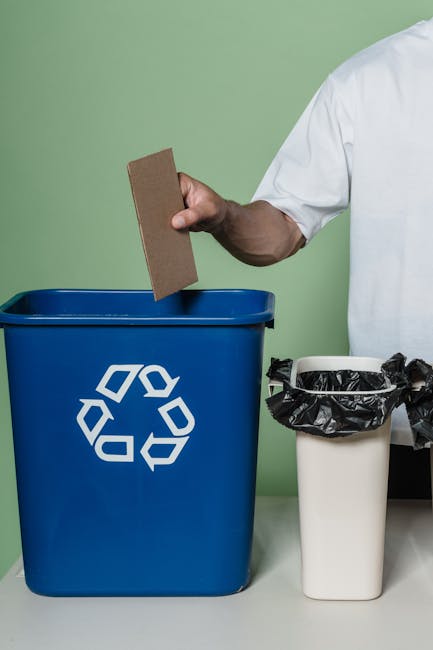
- Separate recyclables from general waste. Packaging, cardboard, and clean plastics can often be kept apart if they are not contaminated.
- Check whether anything is hazardous. If a product has a warning label or the waste is contaminated by mould, solvents, or bodily fluids, pause and handle it more cautiously.
- Clear the area and inspect for residue. Sometimes the real issue is a little spill around the sink or a hidden drip behind the machine.
A good rule is to make the waste area look boring. That is a compliment. Boring means contained, labelled, dry, and out of the way. If the area still looks like a worksite, there is probably more to do.
For a deeper sense of what responsible disposal and treatment planning can look like in practice, some people also review service details around stain removal and pet stain odour removal, since these jobs often create the messiest by-products.
Expert tips for better results
Small habits make the biggest difference here. In our experience, the clean itself is usually the easy part. The tidy-up afterwards is where people cut corners, often without meaning to.
- Use two bins if possible. One for dry general waste, one for damp or contaminated waste.
- Keep a spare liner nearby. It saves you carrying a half-open bag through the house.
- Do not overfill buckets. Heavy wastewater is awkward, and a spill near stairs is no one's idea of fun.
- Place absorbent cloths under equipment. A little drip control saves a lot of scrubbing later.
- Ventilate the room. Fresh air helps reduce odours from damp waste and speeds up drying.
- Label chemical leftovers clearly. Even in a household setting, clarity helps prevent mistakes.
- Ask your cleaner about their disposal routine. A serious professional should be able to explain it simply.
One useful mindset shift is to treat waste handling as part of the cleaning service, not a separate chore. That is especially true for upholstery and mattresses, where absorbed moisture and residues can linger if waste is managed carelessly. A neat finish is not just visual. It should feel finished, too.
If you are choosing a provider, their wider business policies can also offer reassurance. Pages covering insurance and safety and terms and conditions can help you judge how seriously they treat risk and accountability. A bit dry, maybe, but very useful.
Common mistakes to avoid
Most waste-disposal problems after cleaning come from simple assumptions. The kind that sound fine for about ten seconds and then turn into an awkward mess.
- Pouring dirty water into the wrong drain. Surface drains are not the same as internal plumbing. That mix-up causes real trouble.
- Mixing chemical residues together. Different products can react badly if combined in one container.
- Leaving damp waste in sealed bags too long. That leads to smell, mould, and occasionally leakage.
- Treating all dust and lint as harmless. If it has soaked up chemical cleaner or pet mess, it is not ordinary dry rubbish anymore.
- Skipping PPE for heavier jobs. Gloves are not dramatic. They are just sensible.
- Assuming business rules are the same as household rules. They often are not, especially at larger volumes.
- Forgetting about packaging. Bottles, caps, sprayers, and cardboard should be sorted where possible.
One small but common issue: people clean, tidy the visible area, and leave a hidden puddle of wastewater in a tray or machine tank. Then later, the smell returns. Not ideal. Always empty and wipe down the equipment itself.
If disposal becomes a recurring headache, you may want to build a more organised approach around your regular cleaning schedule. That is especially true if you use services such as carpet cleaning or curtain cleaning, where leftover moisture and dust can easily end up in the wrong place if nobody plans ahead.
Tools, resources and recommendations
You do not need a warehouse of specialist gear. A few practical items cover most situations quite well:
- strong bin liners for damp or dusty waste
- sealed containers for small amounts of leftover liquid
- microfibre cloths for final wipe-downs
- gloves for handling contaminated items
- an absorbent mat or towel for equipment leaks
- a simple label or marker pen for identifying product leftovers
- a bucket with a secure grip if wastewater needs carrying
For more involved cleaning work, a wet-dry vacuum, extraction machine, or pump may be part of the setup. If so, maintenance matters too. Empty tanks promptly, rinse removable parts, and keep filters dry unless the manufacturer says otherwise. That last bit sounds obvious, but equipment gets neglected all the time.
On the service side, it can help to compare how different jobs are handled under one roof. A provider that clearly explains its approach to carpet cleaning, rug cleaning, and upholstery cleaning is usually more prepared for the disposal side as well. Not guaranteed, of course, but it is a solid sign.
Law, compliance, standards, or best practice
For most readers, the safest way to think about compliance is this: you are expected to dispose of waste responsibly, avoid causing pollution or nuisance, and separate waste appropriately where required. Exact obligations can vary depending on the waste type, where you are, and whether the material is household, commercial, or potentially hazardous.
That is why it is best not to guess. If the waste is ordinary and uncontaminated, standard household disposal may be enough. If it is dirty water, chemical residue, mould-affected material, or large volumes from a commercial clean, you should be more cautious. Businesses in particular should keep a simple internal process for waste handling so staff are not improvising each time. Improvising is fine for a sandwich. Not for wastewater.
Best practice usually includes:
- keeping waste streams separate
- using appropriate disposal points
- storing chemicals safely until they can be dealt with properly
- preventing spills and overspray
- avoiding discharge into surface drains unless it is clearly acceptable
- keeping records or notes for repeat commercial cleans where relevant
If you are a tenant, landlord, or business operator, it is also wise to check any building-specific rules, especially in managed blocks or shared premises. Some sites have their own waste procedures, and those can sit alongside local council expectations. When in doubt, a cautious approach is usually the right one.
Options, methods, or comparison table
Different cleaning jobs create different waste profiles. Here is a simple comparison that helps with decision-making.
| Waste type | Typical source after cleaning | Suggested handling approach | Main risk if handled badly |
|---|---|---|---|
| Clean, dry packaging | Product boxes, plastic wrap, labels | Sort with normal recycling where suitable | Unnecessary landfill waste |
| Dust, lint, dry debris | Vacuum bags, cloth shake-outs | Bag securely and place in general waste if non-hazardous | Mess, dust spread, nuisance |
| Wastewater | Extraction cleaning, buckets, rinse water | Dispose carefully through an appropriate internal drainage point if allowed | Drain pollution, blockages |
| Heavily soiled cloths or pads | Pet stains, deep stains, spill clean-ups | Seal in a lined bin and keep separate from dry waste | Odour, leakage, contamination |
| Leftover chemicals | Detergents, stain removers, spot treatments | Keep in original container; follow product guidance and local disposal practice | Unsafe mixing, accidental exposure |
For most people, the key choice is between convenience and caution. Convenience wins until it causes a spill, a smell, or a call from building management. Caution is a better long-term habit. A bit dull? Sure. Also effective.
Case study or real-world example
Picture a typical small flat in Hounslow after a weekend deep clean. The carpet has been steam cleaned, the sofa has had stain treatment, and the dog bed in the corner has been treated for odour. It all looks fine by late afternoon, but there is a bucket of grey water, several damp cloths, a used pair of gloves, and a few empty product bottles sitting around.
The easiest mistake would be to pour the water out quickly and throw everything else into one bag. A better approach is slower but cleaner: the wastewater is dealt with carefully through the correct point, the cloths are bagged separately, the product bottles are checked for reuse or recycling, and the damp dog-bed cover is dried fully before being stored. Nothing fancy. Just neat, deliberate steps.
The next morning, the flat smells fresh rather than damp. There is no soggy bag in the kitchen, no residue by the sink, and no mystery drip on the floor. That is what good disposal practice gives you: the clean actually lasts.
We have seen the same logic apply in offices too. A reception area can be spotless after a late-evening clean, but if the waste is left in a corridor or a wet mop bucket is abandoned near a fire exit, the whole job feels unfinished. Details matter more than people expect.
Practical checklist
Use this quick checklist after any cleaning job that produces waste:
- Have I separated liquid waste from solid waste?
- Have I checked whether any waste is contaminated or potentially hazardous?
- Are leftover cleaning products still in their original containers?
- Have I avoided using the wrong drain or disposal point?
- Are wet cloths, pads, or filters bagged securely?
- Have I wiped down equipment tanks, trays, and handles?
- Is recyclable packaging kept separate from general rubbish?
- Have I ventilated the room so damp waste does not sit and smell?
- Have I followed any building or site-specific rules?
- Do I know who to ask if the waste looks unusual or difficult to dispose of?
If you can tick those off, you are in pretty good shape. Not perfect, maybe, but safely on the sensible side.
Conclusion
Understanding Hounslow Council rules for waste disposal after cleaning is less about memorising lots of technical detail and more about handling the aftermath of cleaning with care. Keep waste streams separate, protect drains, bag contaminated material properly, and treat chemical leftovers with respect. That simple approach works for most homes, and it scales up reasonably well for businesses too.
What matters most is not perfection. It is consistency. A few good habits, used every time, will save you from the messy stuff that nobody wants to deal with later. And once you get into the rhythm, it becomes second nature.
If you are planning a larger clean or want a more organised approach to aftercare, it can help to choose a provider that takes waste handling seriously from the start. You can learn more about the company's values on the about us page and, if needed, get in touch through the site's contact information.
Get a free quote today and see how much you can save.
Done well, waste disposal after cleaning is quiet work. You only notice it when it goes wrong. Get it right, and the whole room just feels lighter.
Frequently Asked Questions
Can I pour carpet cleaning wastewater down the drain?
Sometimes wastewater can be disposed of through an appropriate internal drainage point, but you should be careful not to use surface drains or any outlet that could pollute the local drainage system. If the water contains heavy dirt, strong chemicals, or unusual contamination, treat it more cautiously.
What counts as cleaning waste after a deep clean?
Cleaning waste can include wastewater, used cloths, vacuum contents, packaging, disposable wipes, filters, and leftover product residue. In some cases it may also include contaminated soft materials such as heavily soiled cushion covers or pet-stain materials.
Do I need to separate recycling from general waste after cleaning?
Yes, where possible. Clean cardboard, plastic bottles, and other non-contaminated packaging should be separated from dirty waste. Once packaging is heavily soiled, it may no longer be suitable for recycling, so use judgement.
How should I dispose of leftover cleaning products?
Keep them in their original containers whenever possible, and follow the product instructions and local disposal guidance. Do not mix chemicals together or decant them into unlabelled bottles. That is where avoidable accidents happen.
Is it different for homes and businesses in Hounslow?
Yes, it can be. Homes usually deal with smaller quantities, while businesses may create larger volumes of waste or have site-specific rules. Commercial premises often need a more formal process, especially where cleaning is frequent or involves multiple staff.
What should I do with damp cloths and wipes?
Bag them securely, keep them separate from dry waste, and avoid leaving them sealed up for too long if they are likely to smell or leak. If they are contaminated with chemicals or bodily fluids, handle them more carefully.
Can I throw vacuum contents in the normal bin?
Usually yes, if the contents are ordinary household dust and dirt and not contaminated with hazardous material. If the vacuum picked up chemical residue, mould, or pet waste, be more cautious and seal the waste well.
What is the biggest mistake people make after cleaning?
The biggest mistake is assuming all waste can be treated the same way. Dirty water, solid debris, and leftover chemicals all behave differently. That one assumption causes most of the avoidable issues.
How do I know if the waste is hazardous?
Look at the product label, the smell, the source of the contamination, and whether the material came into contact with chemicals, mould, or bodily fluids. If you are unsure, it is safer to treat it as potentially higher-risk rather than ordinary waste.
Do I need special equipment to handle cleaning waste safely?
Not usually. Most people only need sturdy bin liners, gloves, absorbent cloths, and a sensible place to empty wastewater. For bigger or more frequent jobs, a wet-dry vacuum or extraction machine may help, but the basics still matter most.
Should I ask a cleaning company how they handle waste?
Absolutely. A good provider should be able to explain how they manage wastewater, contaminated cloths, packaging, and product residue. If they sound vague, that is a useful signal in itself.
What if I live in a flat with shared waste areas?
Follow the building's own waste rules first, then apply the council and general best-practice approach. Shared buildings can be stricter about spills, odours, and disposal timing, so it is worth being extra tidy.
Where can I find more information about the company's wider standards?
You can review pages such as health and safety policy, recycling and sustainability, and insurance and safety to understand the broader approach. Those pages are often helpful when you want a clearer picture of how a business works behind the scenes.