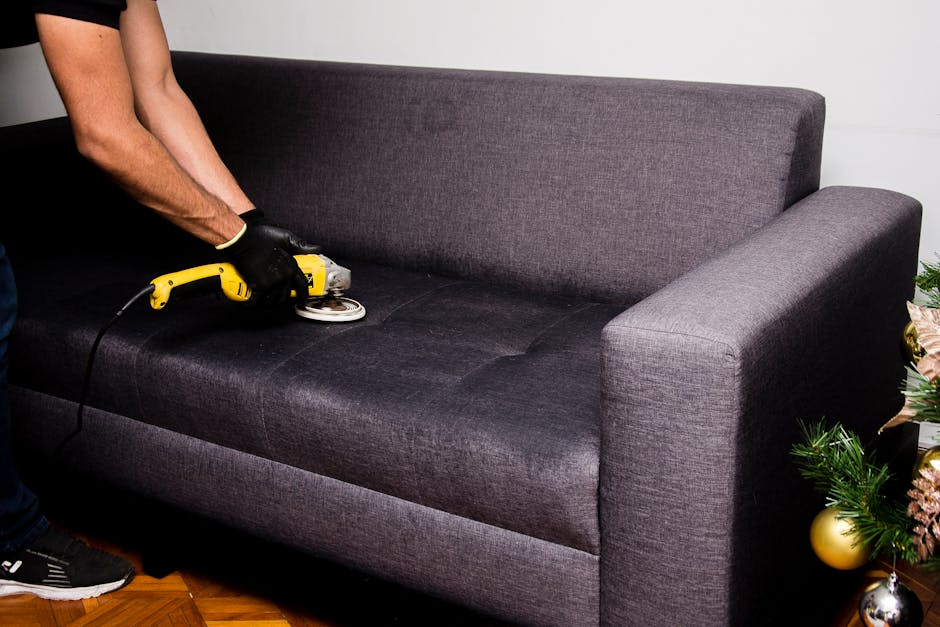
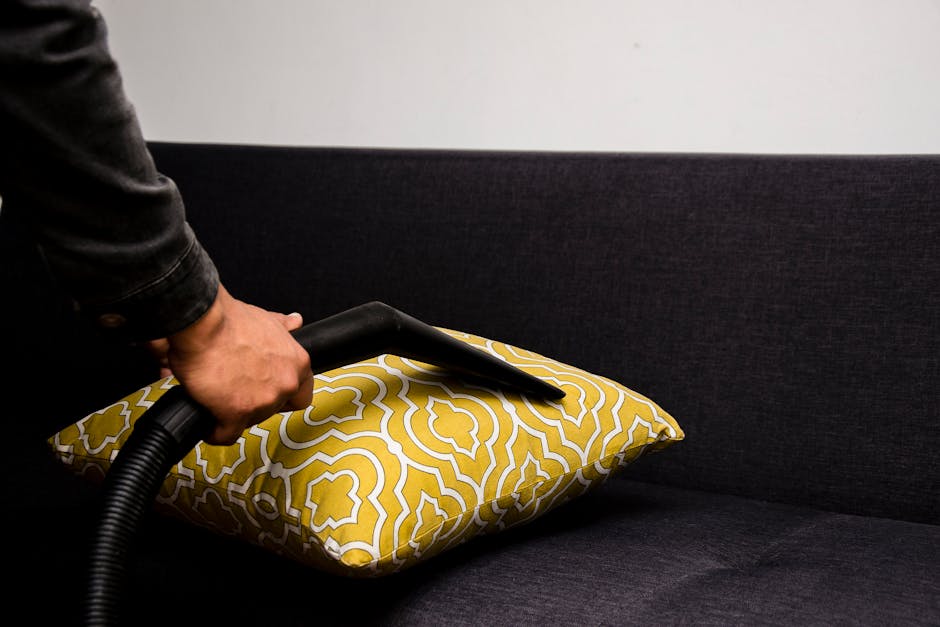
Bedfont Estate Upholstery Cleaning Tips for Hounslow
If you live in Bedfont Estate and your sofa has seen a bit too much of everyday life, you are not alone. Tea marks, pet hair, crumbs, winter damp, the odd mystery stain after a Friday night in front of the telly - upholstery in Hounslow gets a proper workout. The good news? With the right approach, Bedfont Estate upholstery cleaning tips for Hounslow can help you keep furniture looking fresher for longer, without wrecking delicate fabrics or making a small stain turn into a bigger problem.
This guide is for homeowners, tenants, landlords, and anyone who wants cleaner, healthier seating without guesswork. We'll cover what works, what doesn't, how to treat common fabric types, and when it makes more sense to call in a professional. Along the way, you'll also find links to useful pages like our upholstery cleaning service in Hounslow, broader service information, and practical advice on insurance and safety. Simple, usable, local. That's the aim.
Let's face it, a sofa is rarely "just a sofa". It is where shoes get kicked off, where kids eat biscuits they absolutely should not be eating, and where the dog somehow manages to claim the best spot. So yes, upholstery care matters.
Table of Contents
- Why Bedfont Estate upholstery cleaning tips for Hounslow Matters
- How Bedfont Estate upholstery cleaning tips for Hounslow Works
- Key Benefits and Practical Advantages
- Who This Is For and When It Makes Sense
- Step-by-Step Guidance
- Expert Tips for Better Results
- Common Mistakes to Avoid
- Tools, Resources and Recommendations
- Law, Compliance, Standards, or Best Practice
- Options, Methods, or Comparison Table
- Case Study or Real-World Example
- Practical Checklist
- Conclusion
- Frequently Asked Questions
Why Bedfont Estate upholstery cleaning tips for Hounslow Matters
Upholstery cleaning is not just about keeping things pretty. In a busy part of Hounslow like Bedfont Estate, furniture collects daily grime quickly. Dust settles into fibres, body oils darken armrests, and local weather brings in moisture that can make fabrics feel stale. If you leave that buildup alone, it tends to settle deeper into the material, which makes later cleaning harder and sometimes riskier.
There is also the comfort side of it. A clean chair feels better. A clean sofa smells better. You notice it in the room straight away, even if no one says anything. And if you are renting out a property or preparing for an inspection, clean upholstery helps the whole place look cared for, not just swept through. For many households, that difference matters.
It also makes practical sense from a value point of view. Good upholstery lasts longer when it is cleaned properly and protected from bad habits like overwetting, scrubbing with the wrong product, or leaving spills to dry into the weave. That means fewer replacements and fewer ugly permanent marks. To be fair, furniture is expensive enough already.
If you are comparing cleaning options as part of a bigger home-care plan, it may also help to look at domestic cleaning in Hounslow or house cleaning services so your upholstery care fits into the rest of the home rather than standing alone.
How Bedfont Estate upholstery cleaning tips for Hounslow Works
At its simplest, upholstery cleaning works by loosening dirt from the fibres, lifting it out safely, and controlling how much moisture is left behind. That last part matters a lot. Too much water can leave rings, slow drying, and in some fabrics even shrinkage or distortion. Too little cleaning action, and you simply push grime around.
There are usually a few stages involved:
- Identify the fabric - Cotton, linen, wool blends, microfibre, velvet, leather, and synthetic upholstery all behave differently.
- Check the care label - You are looking for cleaning codes, fibre warnings, and any notes about professional treatment.
- Vacuum thoroughly - Loose dust, crumbs, and pet hair need to go before any liquid is used.
- Spot test - A hidden area tells you whether a product changes colour, leaves a mark, or alters the pile.
- Treat stains carefully - Dab, do not rub. Start gentle and work from the outside in.
- Use the right method - Dry cleaning, low-moisture cleaning, foam, or steam extraction depending on fabric and condition.
- Dry properly - Airflow is crucial. Open windows if possible, and avoid sitting on it too soon.
That sounds straightforward, but the detail matters. A synthetic dining chair and a wool-blend sofa are not the same job at all. If you treat them like they are, things can go sideways fast. A quick wipe can set a stain, a detergent can leave residue, and steam can flatten a textured fabric. So yes, method matters. Quite a lot.
For readers who want the broader service picture, the carpet cleaning page for Hounslow is useful too, especially if you are planning a full-room refresh rather than just one chair or sofa.
Key Benefits and Practical Advantages
The benefits of proper upholstery care are more than cosmetic. When done well, it improves the whole room in ways people often only notice after the fact.
- Better appearance - Colours look fresher and the fabric feels more cared for.
- Less lingering odour - This is especially helpful in homes with pets, cooking aromas, or closed windows in winter.
- Improved comfort - Clean fabric feels nicer against clothing and skin.
- Longer furniture life - Dirt acts a bit like fine sandpaper over time, so regular cleaning helps reduce wear.
- Cleaner-looking home overall - Upholstery often sets the tone for the room.
- Better presentation for tenants or guests - Useful before moving out, receiving visitors, or putting a property on the market.
There is a practical side too. If a sofa is maintained regularly, you are less likely to face the dreaded "that stain has been there for months, so now what?" moment. We have all seen it. A small spill becomes a faded patch, then a permanent reminder. Better to deal with it early. Much better.
Expert summary: The best upholstery cleaning approach is the one that respects the fabric first, the stain second, and the drying process third. People often focus on the stain itself and forget the fabric has a say in the matter.
Who This Is For and When It Makes Sense
These tips are useful for a wide range of people in Bedfont Estate and the wider Hounslow area.
- Homeowners who want to keep sofas, armchairs, and dining seats looking tidy without replacing them early.
- Renters preparing for inspections or end-of-tenancy cleaning.
- Landlords and letting agents who need consistent presentation between occupancies.
- Families dealing with daily spills, snack crumbs, and sticky fingerprints.
- Pet owners managing hair, dander, and the occasional muddy paw.
- Small offices or home workspaces with upholstered chairs that collect dust and wear.
It makes sense to act when you notice any of the following: visible marks, a dull or greasy look on high-contact areas, a stale smell after the heating has been on, or a change in fabric texture. The earlier you tackle it, the less aggressive the cleaning usually needs to be.
If the problem is tied to a larger move, changeover, or business turnover, you might also want to consider end of tenancy cleaning in Hounslow or even office cleaning services if the upholstery sits in a workplace rather than a home.
Step-by-Step Guidance
Here is a practical way to approach upholstery cleaning at home without making things worse. It is not fancy. It just works.
1. Start with a proper inspection
Look at the fabric, seams, buttons, piping, and any labels. Check whether the item is colourfast and whether there are signs of damage already present. If the fabric is fragile, stop there and switch to a safer method or professional support.
2. Vacuum slowly and thoroughly
Use the upholstery attachment and take your time. Work into the seams and around cushions. Dust and grit are sneaky. They hide in corners and then come back out the moment you sit down in fresh clothes.
3. Test any product first
Pick a hidden spot. Apply a tiny amount of the product and wait. If the fabric changes colour, feels stiff, or looks patchy, do not continue.
4. Deal with fresh spills immediately
Blot with a clean white cloth. Avoid circular rubbing. The goal is to lift the liquid, not spread it around. For thicker spills, use a spoon or blunt edge first so you are working with less material.
5. Apply cleaner in small amounts
Whether you use foam, a fabric-safe spray, or diluted cleaning solution, use less than you think. Small sections are easier to control and dry more evenly.
6. Blot and extract, don't soak
Use a second dry cloth to lift loosened dirt and residue. If you are using extraction equipment, keep passes even and avoid flooding the area. Overwetting is a common mistake and one of the easiest ways to create water marks.
7. Dry with airflow
Open windows if the weather allows, switch on a fan, and keep cushions apart so air can move around them. On a damp Hounslow evening, drying may take longer than expected. That is normal. Don't rush it.
8. Finish with a gentle brush or fabric reset
Some fabrics benefit from a soft brush to lift the pile back into shape. Again, subtle is better than dramatic here.
Expert Tips for Better Results
A few small habits make a big difference. In our experience, the best results usually come from consistency rather than one heroic clean every six months.
- Clean spills fast. Minutes matter. A fresh stain is always easier than an old one.
- Use white cloths. Coloured cloths can transfer dye, especially when damp.
- Work from the outside of the stain inward. That helps prevent a larger halo effect.
- Do not mix cleaners. It sounds obvious, but people do it. The result is rarely charming.
- Ventilate the room. Good airflow helps prevent musty odours and damp patches.
- Rotate cushions. Even wear means the sofa ages more evenly.
- Protect high-use areas. Throws and washable covers can help, especially in family homes.
- Book periodic professional cleaning. Some deep-set grime simply needs equipment and experience.
One small but useful tip: if a cushion cover has been removed recently, take a quick photo before it goes back on. It sounds trivial, but you will thank yourself later when you are trying to remember how the seams align. Tiny domestic chaos. Very normal.
If you are comparing service standards or want to understand how reputable providers organise care and customer expectations, have a look at the company's about us page and health and safety policy. That kind of background can be reassuring, especially if you are letting someone work on an expensive or sentimental piece.
Common Mistakes to Avoid
Most upholstery damage happens because someone tries to be helpful in the wrong way. Harsh? Maybe. True? Absolutely.
- Scrubbing hard - This can fray fibres and spread the stain deeper.
- Using too much water - Leads to rings, slow drying, and possible shrinkage.
- Ignoring the care label - That little tag is there for a reason.
- Using bleach or strong solvents - These can permanently damage colour and texture.
- Skipping the vacuum stage - You end up cleaning dirt into the fabric instead of removing it.
- Using heat to dry too quickly - Can set certain stains and damage delicate materials.
- Forgetting hidden areas - Back panels, under cushions, and arm edges collect grime first.
A lot of people also make the mistake of assuming one method suits every fabric. It really doesn't. A velvet chair, for example, may need a far gentler touch than a synthetic office seat. If in doubt, less force and less liquid are usually the safer starting points.
Tools, Resources and Recommendations
You do not need a van full of equipment to do basic upholstery care well. A modest, sensible kit often does the job.
| Tool or Product | Best Use | Why It Helps |
|---|---|---|
| Vacuum with upholstery attachment | Routine dirt removal | Reaches seams, corners, and cushion edges without damaging fabric |
| Microfibre cloths | Spot treatment and blotting | Absorbent and gentle when used correctly |
| Soft fabric brush | Brushing pile and lifting fibres | Useful for textured fabrics and finishing |
| Fabric-safe cleaning solution | Light cleaning and stain treatment | Helps loosen grime without harsh residue |
| Extraction machine | Deep clean on suitable upholstery | Removes dirt and excess moisture more effectively than hand cleaning alone |
| White towels or cloths | Blotting spills | Reduces the risk of dye transfer |
For many households, the best "resource" is a reliable cleaning service that understands fabric types and local housing conditions. If you want to compare options, the pricing and quotes page is a sensible place to start, and the payment and security page can help if you prefer to know how bookings are handled before you commit.
Sometimes, the right resource is simply the right timing. A clean in spring after the heating season, or a refresh before guests arrive, often makes more sense than waiting until the fabric looks genuinely tired.
Law, Compliance, Standards, or Best Practice
For normal household upholstery cleaning, there is no complicated legal checklist for you to follow. Still, good practice matters, especially if you are using a professional service, managing a rental, or cleaning in a shared or commercial environment.
Here are the main points to keep in mind:
- Use products according to the instructions. This is basic, but it reduces risk to the furniture and to the person cleaning.
- Be cautious with electrical equipment. Extraction machines and vacuums should be used safely around water and sockets.
- Work with known safety information. If a cleaner is hired, reputable companies should be able to explain their approach to safety and handling.
- Respect tenancy or landlord expectations. End-of-tenancy cleaning often needs a careful, documented approach rather than a quick tidy-up.
- Follow manufacturer care guidance. That is usually the best source for fabric-specific dos and don'ts.
If you are dealing with a property handover or want reassurance about how a business handles customer data and service terms, these pages are useful: terms and conditions, privacy policy, and complaints procedure. They may not be the exciting parts of the website, but they do tell you a lot about how a company operates.
Options, Methods, or Comparison Table
Different upholstery cleaning methods suit different situations. Here is a straightforward comparison to help you decide what makes sense.
| Method | Best For | Pros | Watch Outs |
|---|---|---|---|
| Vacuum + spot clean | Light maintenance | Fast, low-cost, easy to do regularly | Won't remove deep dirt |
| Foam cleaning | Moderate surface soiling | Controlled moisture, decent for many fabrics | Needs careful residue removal |
| Low-moisture extraction | General deep cleaning | Better soil removal with shorter drying time | Not suitable for every fabric |
| Dry cleaning method | Delicate or labelled-only fabrics | Reduced risk of water damage | Requires the right product and technique |
| Professional hot water extraction | Heavily used upholstery and stubborn grime | Deep, thorough, efficient on suitable items | Not ideal for all textiles; drying must be managed |
For most homes, a combination approach works best: regular vacuuming, quick spot treatment, and occasional deeper cleaning. That rhythm keeps things manageable. It also avoids the classic overcorrection where someone goes from "never clean it" to "scrub it like a patio". Somewhere in the middle is usually the sweet spot.
Case Study or Real-World Example
Picture a typical Bedfont Estate living room on a wet Tuesday afternoon. The sofa is a mid-tone fabric, one side gets the sun in the morning, and the other side is where everyone drops bags, coats, and the occasional takeaway napkin. There is a faint greasy mark on the armrest, crumbs in the seams, and a slightly stale smell that appears when the heating comes on.
The homeowner starts with a vacuum, working slowly under the cushions and along the piping. That alone already makes the sofa look less tired. Next, they test a mild fabric cleaner on the back panel, because the last thing anyone wants is a pale rectangle of regret on the front. The stain on the armrest lifts a little with blotting, then improves with a second pass after drying time. Not perfect in five minutes, because real life rarely is, but noticeably better.
Later, a professional clean would likely help with the deeper, older marks and any odour trapped beneath the surface. But even that first careful home treatment changes the room. The sofa looks cared for again. It smells cleaner. The whole space feels more settled. That is often the hidden win with upholstery cleaning: the improvement is bigger than the effort suggests.
And yes, sometimes the dog jumps straight back on it five minutes later. Such is life.
Practical Checklist
Use this quick checklist before you start cleaning upholstery in Bedfont Estate or anywhere else in Hounslow.
- Check the care label and fabric type
- Vacuum thoroughly, including seams and under cushions
- Spot test any cleaner in a hidden area
- Blot fresh spills with a clean white cloth
- Use the smallest effective amount of cleaning product
- Avoid scrubbing, soaking, and harsh chemicals
- Improve airflow for drying
- Rotate cushions and check for hidden marks
- Stop if the fabric starts to change colour or texture
- Book professional help for fragile, valuable, or heavily soiled items
Quick takeaway: gentle, patient cleaning usually beats aggressive cleaning. Every time. Especially with upholstery that has a bit of age on it.
Conclusion
Bedfont Estate upholstery cleaning tips for Hounslow are really about protecting the fabric, reducing wear, and keeping your home comfortable without unnecessary risk. The basics are straightforward: know the material, test first, clean gently, and dry properly. Do that consistently and most sofas, chairs, and upholstered surfaces stay in good shape for much longer.
If you want a fuller refresh, or if the fabric is delicate, stained, or just too far gone for a careful home clean, professional support can save time and reduce the chance of mistakes. It is often the calmer route, truth be told. You avoid guesswork, and your furniture gets treated with a bit more precision.
For anyone in Bedfont Estate looking to keep their home feeling cleaner and more comfortable, the next sensible step is to choose the cleaning method that suits the fabric, not just the stain. That one decision makes a bigger difference than most people expect.
Get a free quote today and see how much you can save.
To explore the wider service area, you can also review local Hounslow insights and the company's latest blog articles for more practical home-care advice.
Frequently Asked Questions
How often should upholstery be cleaned in a Bedfont Estate home?
For most households, light maintenance should be done weekly with vacuuming, while a deeper clean is often sensible every 6 to 12 months depending on use, pets, and spills. Busy family homes may need attention more often.
What is the safest way to clean a fabric sofa at home?
Start by vacuuming, then spot test a fabric-safe cleaner in a hidden area. Use small amounts, blot rather than scrub, and allow plenty of drying time. If the fabric is delicate, professional cleaning is usually safer.
Can I use steam on all upholstery?
No. Steam is helpful for some synthetic fabrics but can damage delicate materials, set certain stains, or distort texture. Always check the care label first and avoid guessing if you are not sure.
How do I remove a fresh stain without making it worse?
Blot the spill with a clean white cloth from the outside inward. Do not rub. If needed, use a tiny amount of suitable cleaner after a spot test, then blot again and dry the area with airflow.
Why does my sofa smell musty even after vacuuming?
Odour often comes from deeper in the fabric or padding, not the surface. Moisture, body oils, and trapped dust can all contribute. A deeper clean and proper drying may be needed to improve it.
Is professional upholstery cleaning worth it?
It usually is if the furniture is expensive, heavily used, stained, or made from a tricky fabric. Professional cleaning can reduce risk and often reaches dirt that home methods leave behind.
Can upholstery cleaning help with allergies?
It may help reduce dust, pet dander, and other debris sitting in the fabric, although it is not a medical treatment. Regular vacuuming and cleaning can make a room feel fresher and easier to live in.
What fabrics need the most caution?
Velvet, silk, some wool blends, and older or unlabelled fabrics often need extra care. If the label is missing or the material is already fragile, it is better to be conservative and avoid heavy wet cleaning.
How long does upholstery take to dry?
Drying time depends on the method, room temperature, and airflow. Light cleaning may dry fairly quickly, while deeper cleaning can take longer. Good ventilation makes a big difference.
Should I clean upholstery before or after carpet cleaning?
Either can work, but many people prefer to clean upholstery first or as part of a wider room refresh so any dust or debris disturbed during the process can be managed together. If you are planning both, it helps to coordinate them.
What should I ask before booking a local upholstery cleaner?
Ask about fabric suitability, drying time, stain treatment methods, pricing, and whether the cleaner can explain their approach to safety and care. A good provider should answer clearly without sounding rushed.
Where can I find more local home-cleaning support in Hounslow?
Useful starting points include the main services overview, the dedicated upholstery cleaning page, and related home services if you want the rest of the property refreshed at the same time.